


The O-Liv advantage
Sustained Polyphenol Integrity
Conventional olive oil supplements in liquid form are subject to significant polyphenol degradation, with empirical data indicating a loss of approximately 40% of these compounds after one year. O-Liv’s High Phenolic Olive Oil, however, is formulated through a process that prioritizes the long-term preservation of polyphenolic content. This meticulous care results in a product that upholds its exceptional potency beyond two years when properly stored, thus offering a consistent spectrum of health benefits throughout its extended shelf life.
Mediterranean Provenance and Scientific Rigor
Central to O-Liv’s approach is the judicious selection of raw materials. Each batch originates from Mediterranean olive groves renowned for their elevated polyphenol concentration. Our team conducts rigorous on-site analyses at the site of olive collection to confirm optimal polyphenol profiles prior to pressing. By swiftly transferring the pressed oil for bottling, we minimize the risk of polyphenol loss and uphold the superior qualitative standards associated with High Phenolic olive oil.
Analytical Validation and Batch Consistency
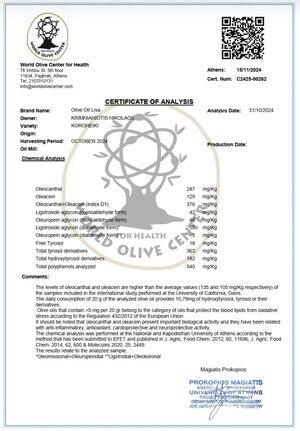
O-Liv’s olive oil supplements are subject to a multi-stage scientific validation process undertaken over a three-year period. Each production lot is analyzed in the olive grove, during extraction at the production facility, and post-bottling to certify that the documented levels of polyphenols per serving are maintained. This methodological approach ensures that every bottle of O-Liv High Phenolic Olive Oil consistently delivers the composition required for optimal benefit, differentiating our offering through rigorous, objective standards of efficacy.
The same Concentrated Polyphenol Power as in 1.5 tablespoons of high phenolic olive oil.

Why More People Are Choosing Olive Oil Capsules Instead of Liquid EVOO
Many people enjoy extra virgin olive oil but struggle to take it consistently every day due to measuring, taste, and freshness concerns. Olive oil capsules offer a simple and precise way to consume high-phenolic olive oil polyphenols like oleocanthal and hydroxytyrosol without any mess or preparation. This makes them a more convenient option for maintaining a daily wellness routine with consistent intake.
At O-Liv, we use premium high-phenolic Greek EVOO selected for naturally rich polyphenol content and tested for quality and consistency. Learn more about our product here, or explore how capsules compare to liquid olive oil in detail here and see the science behind olive oil compounds here
Our Ingredients Are Simple

Olive Oil Concentrate
Frequently Asked Questions
What makes our olive oil truly unique is the cutting-edge molecular stabilization system, a revolutionary and patented technology that no other olive oil producer in the world offers. This system preserves the key health components—polyphenols—and maintains the acidity levels of our olive oil, ensuring it stays as fresh and high-quality as the day it was produced.
Polyphenols are a group of naturally occurring compounds found in various plants, such as fruits, vegetables, and olives. They are known for their potent antioxidant properties and have been shown to have numerous health benefits.
Extra virgin olive oil (EVOO) is packed with powerful antioxidants like oleocanthal, which provide anti-inflammatory and disease-fighting benefits. EVOO can help reduce the risk of heart disease by lowering blood pressure and improving cholesterol levels. It also supports brain health, potentially reducing the risk of Alzheimer’s and other neurodegenerative diseases. Additionally, its antioxidant content helps protect against cellular damage and chronic inflammation.
We source directly from Greece, and test each batch for polyphenols!
Why Choose O-Liv?
High-Quality, High-Phenolic Olive Oil - every batch tested for phenol content!
Nature’s Solution to
Modern Health Challenges
For centuries, Mediterranean cultures have enjoyed extraordinary health benefits from daily olive oil consumption. Now, O-Liv delivers these same powerful advantages in a convenient, calorie-free capsule that should be taken in conjunction with a healthy lifestyle - mediterranean diet and exercise. Our proprietary process preserves the critical polyphenols that make olive oil a true superfood, allowing you to support your health.
SCIENCE BACKED NATURAL
Cholesterol Management
Take control of your cardiovascular health. Each O-Liv capsule delivers concentrated olive oil polyphenols that research has shown can help maintain healthy cholesterol levels.
Our customers report significant improvements.

POWERFUL
Anti-Inflammatory Support
Chronic inflammation lies at the heart of many health concerns. O-Liv's high phenolic formula provides potent anti-inflammatory compounds that help reduce inflammation throughout your body, supporting joint comfort, recovery after exercise, and overall cellular health.
COMPREHENSIVE
Neural Protection
The same polyphenols that benefit your heart also support your brain. Research has shown that regular intake of high phenolic olive oil, which contains polyphenols that can be neural protective, similar to the polyphenols that are in O-liv
ENHANCED
Immune Function
Research has shown that polyphenols can help support your body's natural defense systems. Our concentrated formula delivers key compounds that strengthen immune response and help protect against oxidative stress and cellular damage.
Our Olive Oil Vs. Theirs
O-liv sets the standard for high-phenolic olive oil supplements.
| O-Liv | Other Brands | |
|---|---|---|
| Increased Stamina | ||
| Anti-Inflammatory Support | ||
| Cholesterol Management | ||
| Immune Function Support | ||
| Neural Protection | ||
| Protection against High Blood Sugar | ||
| Protection Against Neurodegeneration |
- Choosing a selection results in a full page refresh.
- Opens in a new window.