
The olive oil industry has a significant purity problem. Many bottles that are labeled “extra virgin” are not what they claim to be. They are often diluted with cheaper oils, stored improperly, or sourced from unknown origins. For consumers who care about their health, authenticity, and real Mediterranean quality, this is a serious concern.
The good news is that there are clear ways to protect yourself from these deceptions. By understanding how olive oil scams work—and by learning what verified producers like O-Liv do differently—you can make confident and informed choices every time you shop.
Authenticity is not about fancy packaging or an imported-sounding name. It is about lab-tested proof, ethical sourcing, and complete transparency from the olive grove all the way to the final bottle or capsule.
What Are Olive Oil Scams, and Why Are They So Common?
The global appetite for olive oil has grown faster than the regulations needed to protect it. This has created an environment where fraud is not just possible, but profitable and widespread.
A Global Industry with Hidden Weaknesses
The international market for olive oil is massive, and with that scale come hidden weaknesses. The term “extra virgin” is often loosely enforced or completely unregulated in many parts of the world, allowing low-quality products to be mislabeled. This means that even some expensive supermarket brands may fail quality and purity tests when analyzed in a lab. The long and complex supply chains create multiple opportunities for fraudulent activities to go unnoticed.
The Most Common Olive Oil Scams Explained
Olive oil fraud can take many forms, from subtle deception to outright fakery. The most common olive oil scams include:
-
Blending: Diluting real olive oil with low-grade seed oils (like sunflower or canola) or refined olive oils that have been chemically treated.
-
Mislabeling Origin: Claiming an oil is from a prestigious region like Greece or Italy when it is actually a blend of oils from various countries.
-
Falsifying Dates: Putting a misleading harvest or “best by” date on the label to sell old, rancid oil as fresh.
-
Selling “Light” Olive Oil: Marketing “light” or “pure” olive oil as a healthier, lower-calorie option, when in reality these are highly refined oils with none of the antioxidant benefits of extra virgin olive oil.
Experience the Benefits of High-Phenolic Olive Oil
If you're learning about the science behind real, high-quality olive oil, take the next step and try it for yourself. Our oils are crafted to deliver the phenols and flavor your body actually notices.
Shop High-Phenolic Oils
How Fake Olive Oil Fails the Science Test
While fraudsters have become skilled at imitation, they cannot replicate the complex chemical fingerprint of real, high-quality olive oil. This is where science becomes the ultimate tool for verification.
The Phenolic Fingerprint of Real Olive Oil
Genuine extra virgin olive oil contains a high concentration of measurable polyphenols. These are the powerful antioxidants that give the oil its peppery flavor, its health benefits, and its stability. Fake or diluted oils lack this antioxidant activity, making them less flavorful and more prone to spoilage. A high-phenolic oil is so beneficial that the European Food Safety Authority (EFSA) has approved a health claim stating that olive oil polyphenols contribute to the protection of blood lipids from oxidative stress.
What Lab Testing Reveals
Advanced olive oil purity testing can measure the exact concentration of key polyphenols like oleocanthal, oleacein, and hydroxytyrosol. This is how authentic olive oil brands prove their quality. O-Liv publishes the lab results for every single batch, providing complete transparency and allowing consumers to see the scientific data for themselves. This commitment to real data is what separates science-backed brands from those that rely on marketing alone.
Label Tricks and Marketing Red Flags
Before you even get to a lab test, you can spot potential fakes by learning to read labels like an expert. Many brands use buzzwords and clever packaging to confuse consumers.
Buzzwords That Don’t Guarantee Quality
Certain phrases sound impressive but mean very little. "First pressed" and "cold pressed" are outdated terms from an era when screw presses were used. Today, nearly all quality oil is "cold extracted" using a centrifuge. Another common trick is the origin label. A bottle that says “Bottled in Italy” does not mean the olives were grown there. Look for specific regional certifications or statements that name the country of origin for the olives themselves.
Packaging Clues That Protect You
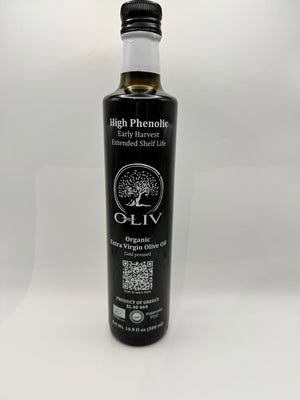
The packaging itself can offer clues. Real olive oil is sensitive to light, which degrades its polyphenols. Always choose oils packaged in dark glass bottles, tins, or airtight capsules. A harvest date is far more important than a "best by" date, as it tells you how fresh the oil is. Finally, a traceable lot number on the bottle is a sign of a professional operation that tracks its product from grove to shelf.
Storage, Shipping, and Shelf Life — The Hidden Threats
Even a genuine olive oil can lose its quality if it is not handled properly. The journey from the mill to your kitchen is filled with hidden threats that can destroy its precious compounds.
How Time and Heat Destroy Real Olive Oil
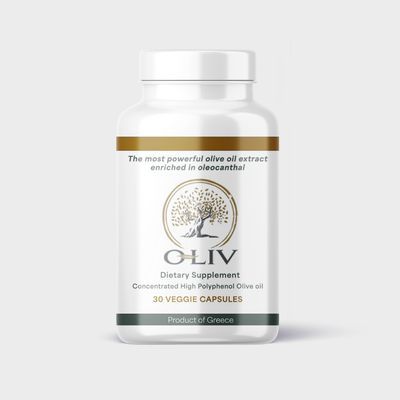
Polyphenols are fragile. Exposure to heat, light, and oxygen during transport and storage causes them to degrade rapidly. The long supply chains of mass-market olive oil mean that a bottle can sit in warehouses and on store shelves for months, losing its active lifespan and health benefits. O-Liv’s preservation method circumvents this by using gentle cold extraction and then immediately sealing the oil in an airtight capsule to protect its potency.
Where to Store Your Olive Oil at Home
To protect your investment, store your olive oil in a cool, dark place like a pantry or cupboard, away from the stove or any other heat source. The ideal temperature is around 57°F (14°C). While some people refrigerate their oil, this is not always the best idea, as condensation can develop inside the bottle and accelerate spoilage. Consistent, cool, and dark storage is the best approach.
Featured Products
How to Buy Real Olive Oil with Confidence
With the right knowledge, you can navigate the market and buy real olive oil with complete confidence. It comes down to looking for signs of transparency and trustworthiness.
Five Signs of a Trustworthy Brand
When evaluating an olive oil brand, look for these five key indicators of authenticity:
-
Clear Sourcing: The brand openly shares where the olives are grown and when they were harvested.
-
Independent Lab Testing: The company provides access to third-party lab results verifying the oil’s phenolic content.
-
Quality Production Methods: The label clearly states that the oil is from an early harvest and is cold-extracted.
-
Phenolic Transparency: The brand communicates openly about its polyphenol levels.
-
Ethical Practices: The company demonstrates a commitment to sustainable farming and fair partnerships.
Why O-Liv Sets the Standard
O-Liv was designed to meet and exceed every one of these standards. Our oil is sourced exclusively from Greek family groves with full, certified traceability. The high-phenolic content of every batch is verified by an independent lab, and the results are published online for anyone to see. This transparent reporting provides purity you can see and trust.
The Bottom Line — Transparency Beats Marketing
Fraud in the olive oil industry is not new, but consumer awareness is the best defense against it. Once you know what to look for—from batch testing and harvest dates to honest labeling—fake oils and deceptive brands lose their power.
O-Liv was built to make authenticity simple and accessible. Every capsule starts with real, early-harvest Greek olives that are cold-extracted and scientifically verified for purity and potency. There is no guessing and there are no gimmicks. It is simply science-backed olive oil you can trust.
Buy olive oil with confidence — see O-Liv’s verified results.